

Millarville, Alberta
Are you missing the Daylight Savings Time hour today? Me too, but we should consider ourselves lucky. In 1582, people went to bed on October 4th and woke up on October 15th.
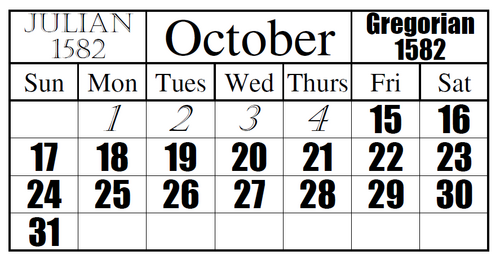
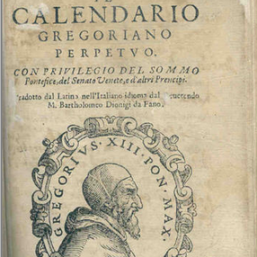
The 10-day correction was made during a transition from the Julian calendar to the more accurate Gregorian calendar.
The Gregorian calendar wasn’t adopted universally. Spain, Portugal, Poland and parts of Italy converted in October 1582, France followed two months later, but many countries never made the transition for years, in some cases centuries.
Countries around the world adopted the new calendar at their own pace. It took 450 years for everybody to fall in line with the Gregorian calendar. Greece never switched until 1923, and Saudi Arabia just converted from the Islamic calendar ten years ago.
There is a Wiki page that outlines the circumstances and dates when each country adopted the Gregorian calendar. I warn you, it will take some time to read, and you are already short an hour today.
Tweak Pope Greg’s nose for details …
Can you imagine intercontinental train schedules when nobody could agree on a common calendar?
“This is your Conductor speaking. We will depart Nice, France at 10:00am today (Friday June 3rd) and arrive in Genoa, Italy at 4:00pm, 21 days ago”.
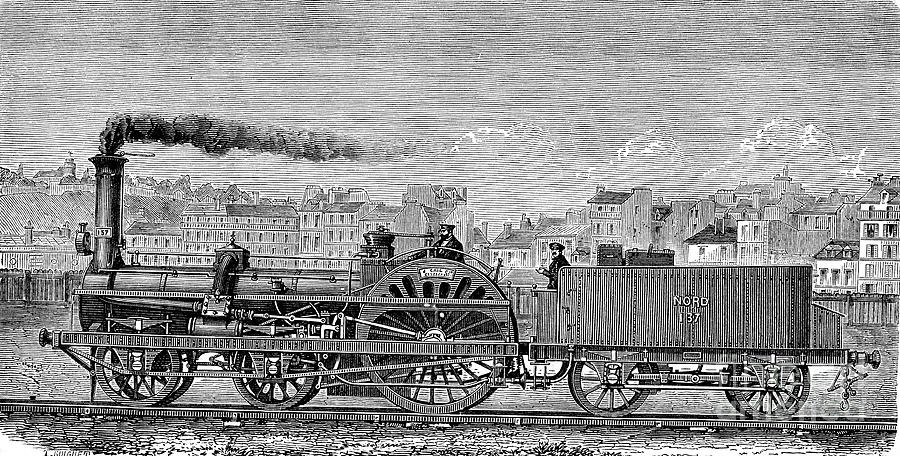
Steam Locomotive, or Time Machine? – France 1863
French-speaking Canada, which included most of Quebec and parts of Nova Scotia, converted to the Gregorian calendar in 1582 when France did. The British Empire, including English-speaking Canada and the USA, didn’t adopt the Gregorian calendar until 1752. Canadian territories operated on conflicting calendars for 170 years!
Nova Scotia reverted to the Julian calendar in 1710, re-gaining 11 of the 10 days lost in 1582 (don’t ask, it makes my head hurt).
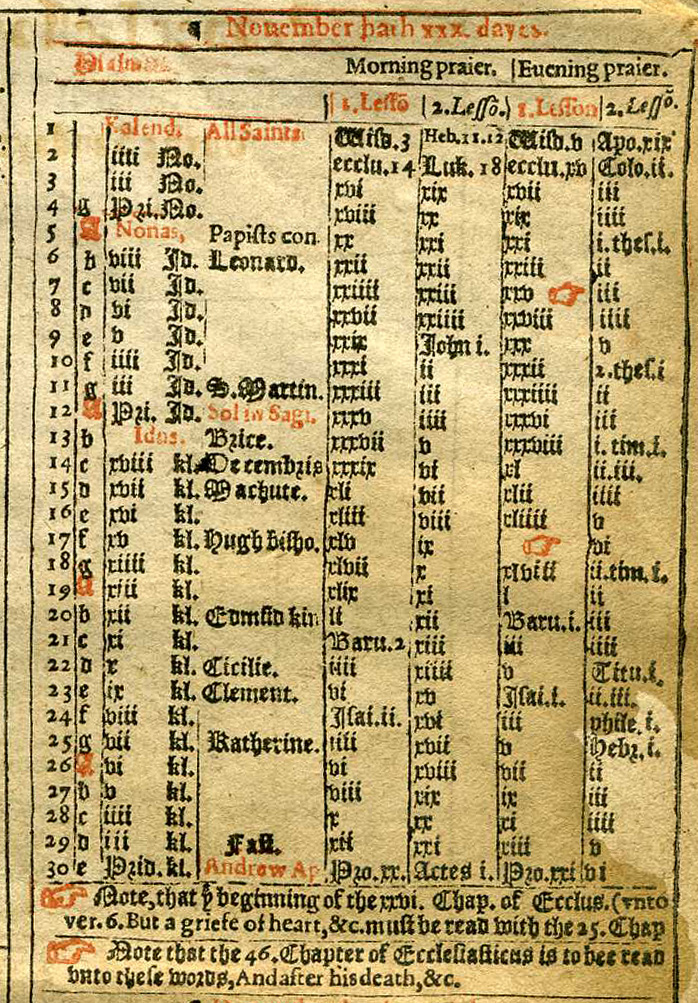
Nova Scotians changed calendars again in 1752 when the rest of Canada converted to Gregorian, thereby re-losing the 11 days gained when they couldn’t make up their mind.
In Germany, individual electoral districts were left to decide if they wanted to adopt the new calendar. Between 1583 and 1624, German districts operated with 27 conflicting calendars.
Gott im Himmel!
Alaska had two Fridays in a row, eleven days apart when the territory was purchased from Russia in 1867.
France, one of the first countries to go Gregorian, dabbled briefly with an entirely unique calendar. In 1793 they adopted a French Republican Calendar.
The Republican Calendar had twelve 30-day months divided into three 10-day “weeks”. The months were named after growing seasons. The days were not numbered, they were identified by plants.
Winter months were Nivôse (snowy), Pluviôse (rainy), Ventôse (windy). Spring was Germinal (germination), Floréal (flower) and Prairial (meadow). Days were labeled Pomme, Céleri, Poire, Chicorée, Cèdre, and Pistache, etc.
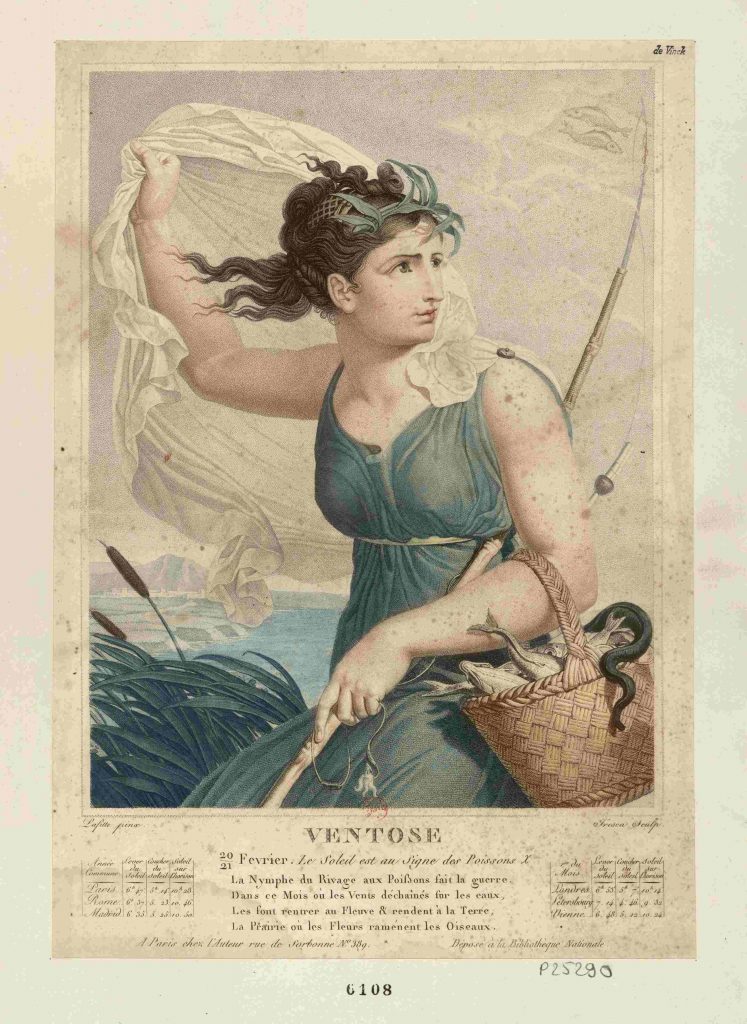
If your birthday is today, you were born on Ventôse Mouron (Pimpernel day of the Windy month).
The British, always quick to malign the French, mocked their calendar calling it “Wheezy, Sneezy, Freezy, Slippy, Drippy, and Nippy.
The French gave up using the Republican Calendar after only eight years. Doubtless, nobody missed it much.
Those of us who live in DST zones are missing an hour today, but we are fortunate that most of the world is aligned using the Gregorian calendar. It is not perfect, with its irregular sized months, unequal quarters, wandering holidays, and quadrennial leap years, but it is better than being…
… Slippy, Drippy or Nippy.
I am going to spend my non-hour not-watching American news. I wish we could have DST every day.

Like and Subscribe…
To join the WellWaterBlog audience, scroll down and add your e-mail address to the growing list. You will receive a notice each time a new article is posted and nothing else – No Advertising, No Solicitations, No B.S., Just Fun.
Leave a Reply