

Acadia, Saskatchewan
The story that follows is fictional. It is loosely based upon a tragedy that occurred in Saskatchewan in 1969. Names have been changed to protect the innocent, and the guilty.
1.
“Light My Fire” was playing on the Juke Box as we entered Charlie Chan’s Café on Saturday evening.
The Bergmann brothers were the only other patrons in Chan’s at the time, so one of them must have selected The Doors’ song. I nodded at Teddy the second Bergmann brother, as we found our seats. Teddy was in my class at school; we weren’t close, but we had a passing acquaintance.
Teddy and his older brother Calvin both glanced our way, but no words were spoken.
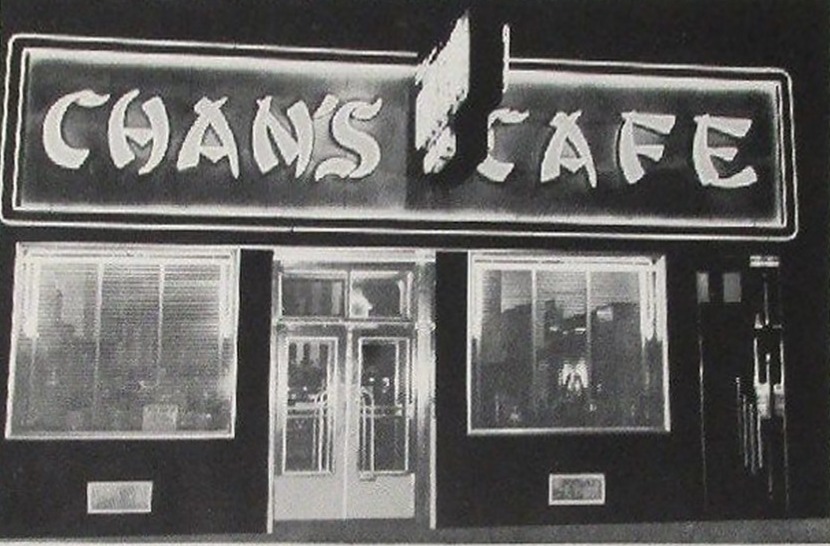
It was April 1969; Planet of the Apes was playing at The Jack Theatre down the street from Chan’s Cafe.
Cousin Gordon, brother Brad, and I popped into Chan’s for refreshments before the movie. We settled into chairs beside the Pinball Machine and ordered Cokes as we waited for showtime.
The Doors finished playing “Light My Fire”
“The End” dropped onto the record carousel.
I didn’t pay much attention to the song’s dark lyrics at the time, but they became eerily relevant the next morning when we heard about the Bergmann Murders.

2.
Planet of the Apes didn’t disappoint. Gordon, Brad and I mulled it over on the drive home. We agreed that the movie script was far fetched, but the costumes made it seem realistic.
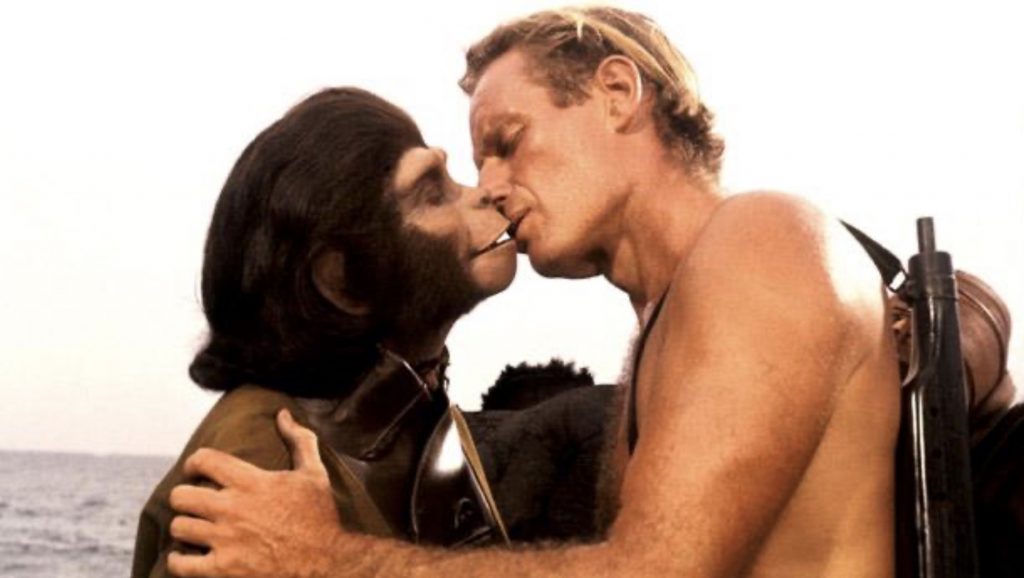
I was particularly struck by a scene at the end where Charleton Heston’s character says he wants to kiss Zira, an ape played by Kim Hunter. She agrees to the intimacy but says …
“All right, but you’re just so damned ugly!”
The Bergmann brothers left the café about the time the show got out and returned to their home two blocks east of Main Street.
The Bergmann home was unlike most in Acadia. It wasn’t a “Mom, Dad, and the Kids” kind of place. The house was often occupied by an assortment of party goers, mostly men, who kept company with Mrs. Bergmann and an assortment of other rounders.
According to sources, a party was going on when the Bergmann boys got home. The adults had depleted their alcohol supply, so they left the two older boys in charge of their younger brothers, Danny 12 and Richard 11, and moved the party from the house to the local bar. The adults left a half gallon of chokecherry wine behind, intending to drink it later.

Calvin, dissatisfied with having to look after his younger brothers on a Saturday night, took it upon himself to drink the entire bottle of home brew.
About midnight, the still-thirsty adults returned from the bar to find their alcohol supply drained, replaced by one very drunk teenager.
The confrontation that followed changed the course of history for the Bergmann family and the entire town of Acadia.
3.
There were several gatherings happening in Acadia the weekend of April 5, 1969. A large group of teens attended a wiener-roast in the hills north of town that evening. Another group attended a party that had sprung up at a house on the east side, while the girl’s parents were away.
Our cousin Gordon, with a freshly minted driver’s licence, was visiting from a town some distance away. We chose to go home after watching the movie, rather than follow the party crowd.
As a result of these activities, there were very few young people on the streets of Acadia when the shooting started.
Calvin Bergmann was infatuated with guns. He would often wander down to Acadia Hardware Store to admire their stock of rifles.
Lacking funds to acquire a weapon, Calvin’s firearms obsession was limited to window shopping.
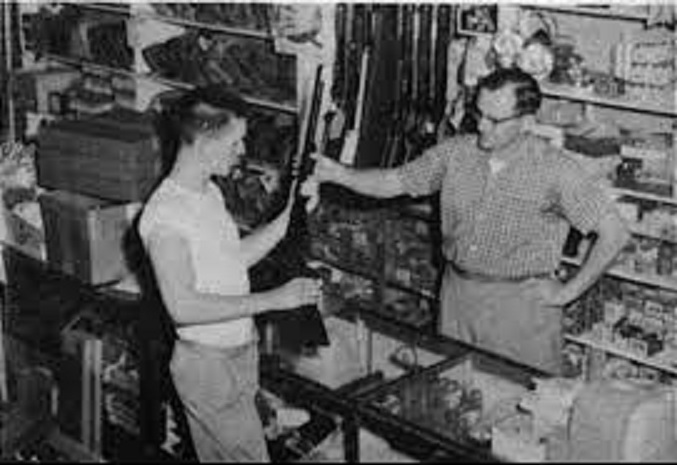
When his mother and her friends kicked him out of the house that night, Calvin stumbled two blocks west toward Main Street. Drunk to the point of delusion, Calvin kicked open a side door of Acadia Hardware and went straight to the gun cabinet. He had seen the shop owner retrieve the hidden key many times and knew exactly where to find it. Calvin grabbed a hunting rifle, a 12-gauge shotgun, and enough ammunition to mount a rebellion.
The Monkey Movie wasn’t the only film playing at The Jack Theatre that spring. Calvin wasn’t much interested in seeing apes from another planet, but he had watched “The Good, The Bad, and the Ugly” three times while it was in town.
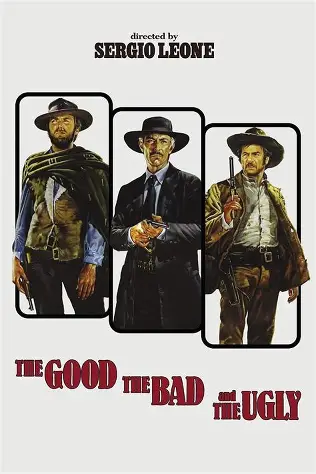
With rifles cradled on each arm, Calvin felt a surge of power. He was Good, Bad, and Ugly.
Calvin never even made it outside the building before his shooting rampage began. He fired both weapons several times inside the hardware store, blasting inventory off shelves and shooting out display windows from the inside.
Calvin grabbed more ammunition then exited onto Main Street through a shattered storefront window. Two empty vehicles parked across the street took artillery fire, with stray bullets lodging in the buildings behind.
Melvin Taylor and his family occupied a suite, directly opposite the hardware store. Taylor was having drinks with his friend Donald Harper that evening, while his wife and infant son slept in an adjacent bedroom. A hail of bullets pierced the walls of the Taylor suite. One round lodged in a panel, just above the sleeping baby’s bed.
Melvin doused the lights and reached for his rifle.
On the street, Calvin was firing into buildings at random. A bakery, a bank, a lawyer’s office and The Jack Theatre all received bullet holes. Calvin then moved to the opposite side of the street and perpetuated his assault on east-facing real estate.
The druggist wasn’t home, but his very pregnant wife was when bullets shattered windows in the living quarters above the Pharmacy.
Back at the Taylor residence, Melvin’s wife had called police, but Melvin and his friend Donald were taking matters into their own hands. The pair watched from an alley as the crazed gunman shot up Main Street. At one point Melvin had his rifle sights trained on Calvin and was ready to shoot. Donald recognized the gunman as the Bergmann kid. He grabbed the rifle from Melvin and talked him down from shooting the youth.
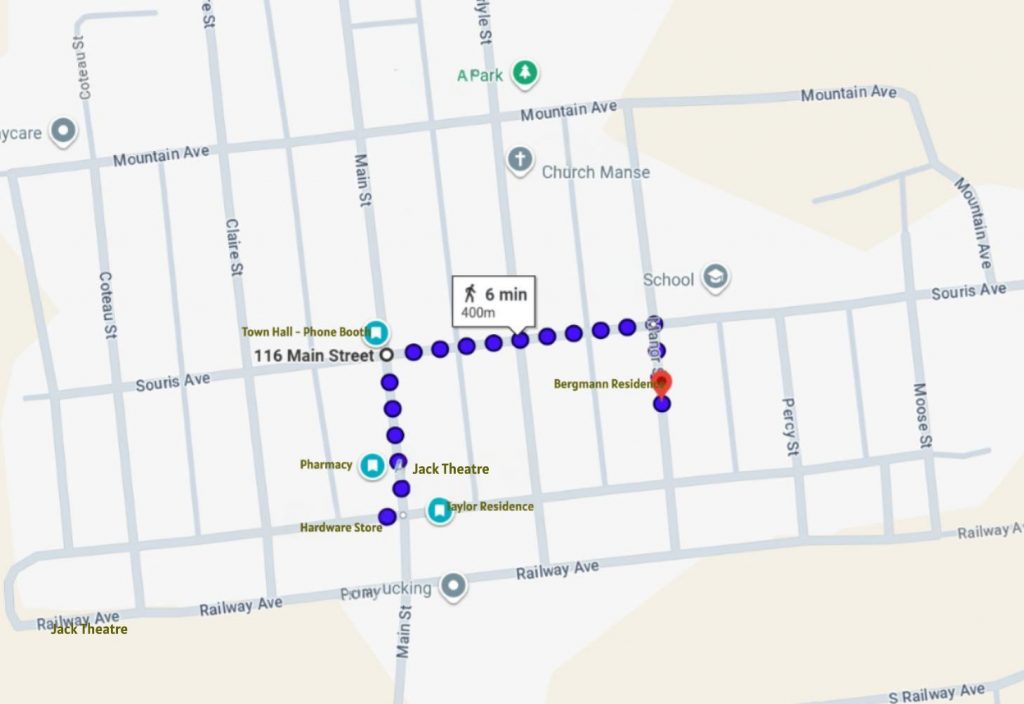
A local farmer, Bob Irwin, had been at the bar that evening and was on his way home. He was driving past the Town Hall when a bullet went through the radiator of his truck. Bob bailed out of the vehicle and ran to a telephone booth. As he was dialing police, a bullet shattered glass in the phone booth, while another shot destroyed the windshield of his truck. Bob took refuge behind the brick Town Hall building.
Calvin then turned onto Souris Avenue, heading toward the Bergmann residence, firing random shots as he went.
4.
Parricide happens on average 6 times a week in the US. While not as common in Canada or European countries, the deliberate killing of one’s own parents occurs all too frequently.
Psychologist Dr. Kathleen M. Heide, in her book Why Kids Kill Parents: Child Abuse and Adolescent Homicide, emphasizes that “many adolescents who kill their parents are victims of long-term, severe physical, sexual, or emotional abuse and dysfunctional family environments, often acting out of desperation to escape their circumstances.
Heide concludes that “adolescent murderers are almost all terrified victims of severe child abuse, neglect, and dysfunctional parenting who kill out of desperation”.
No one knows for certain what the factors were that drove Calvin to do what he did next. He was drunk beyond rationality, but that alone could not have motivated him to the level of violence he unleashed at home.
Scene of Calvin Bergmann’s desperation.
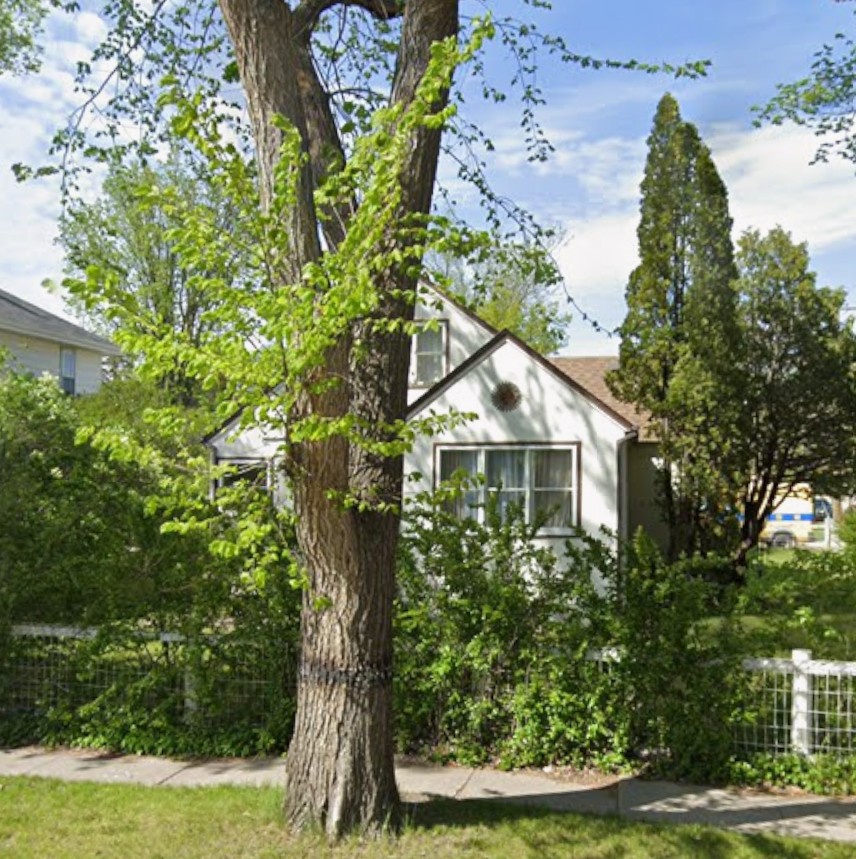
Frank Meyer opened the door when Calvin banged a gunstock against it. Frank took a point-blank shotgun blast to the torso, killing him instantly. Calvin then walked into the house. Without uttering a word, he shot his mother Ester with the rifle. She died in a pool of blood on the kitchen floor.
Calvin then turned his attention to two other individuals in the home. John Fletcher and Edward Sommer both survived but suffered gunshot wounds to the face and arm respectively.
It is not clear what happened next. Calvin may have run out of ammunition, or he may simply have exhausted his desperation.
5.
The shooting stopped, but a torrent of questions began, starting with, why?
Why had this happened?
Calvin’s younger brothers were in the house when the killing occurred. What did they experience as they crawled out from hiding under a bed and from behind a stove? Their grief must have been unfathomable. How would they cope?
The young Bergmann’s weren’t well looked after before the murder of their mother. Who would care for them now?
Where was the father, Calvin Bergmann Senior, when all this was going on?
Who is responsible when a youth can obtain a gun so easily?
It is difficult to visualize the murderer as a victim, but what will happen to Calvin?
6.
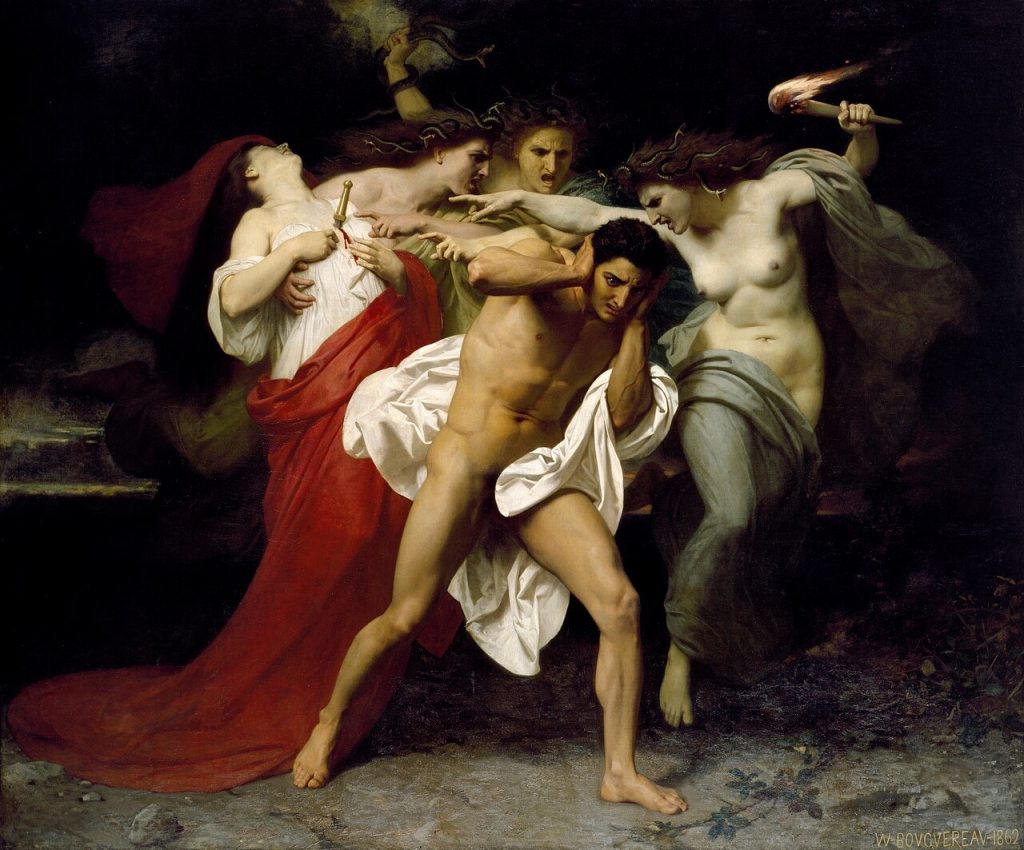
“Orestes Pursued by the Furies” painted by William-Adolphe Bouguereau in 1862.
Bouguereau’s painting illustrates a dramatic moment from Greek mythology where Orestes is tormented by the Erinyes (Furies) after murdering his mother to avenge his father.
I never knew Calvin Bergmann, beyond the ability to recognize him in a cafe, but I was acquainted with his younger brother Teddy. Teddy was a year older than I was, but he had failed a grade or two, so he was in my class.
Teddy wasn’t my friend (Teddy didn’t have friends) but observing him gave me some insight into the home life he and his brothers endured. Teddy was awkward, physically and socially. He was thin, to the point of emaciation. Teddy wore disheveled hand-me-down clothing, and a disheveled hand-me-down look on his face, at all times.
Teddy was bullied; he seemed to live in a perpetual state of anxiety. On the rare occasions when I interacted with him, Teddy couldn’t get away fast enough. He seemed to be unfamiliar with, or afraid of, human kindness.
I assume that his older brother Calvin was affected by the Bergmann home life in much the same manner.
Calvin Bergmann wasn’t a murderer. Simply put, he was …
… Pursued by Furies
Like and Subscribe…
To join the WellWaterBlog audience, scroll down and add your e-mail address to the growing list. You will receive a notice each time a new article is posted and nothing else – No Advertising, No Solicitations, No B.S., Just Fun.
Leave a Reply