

April 26, 1945 – Bergen-Belsen, Germany
Albert hesitated as he turned the page of his war photo album.
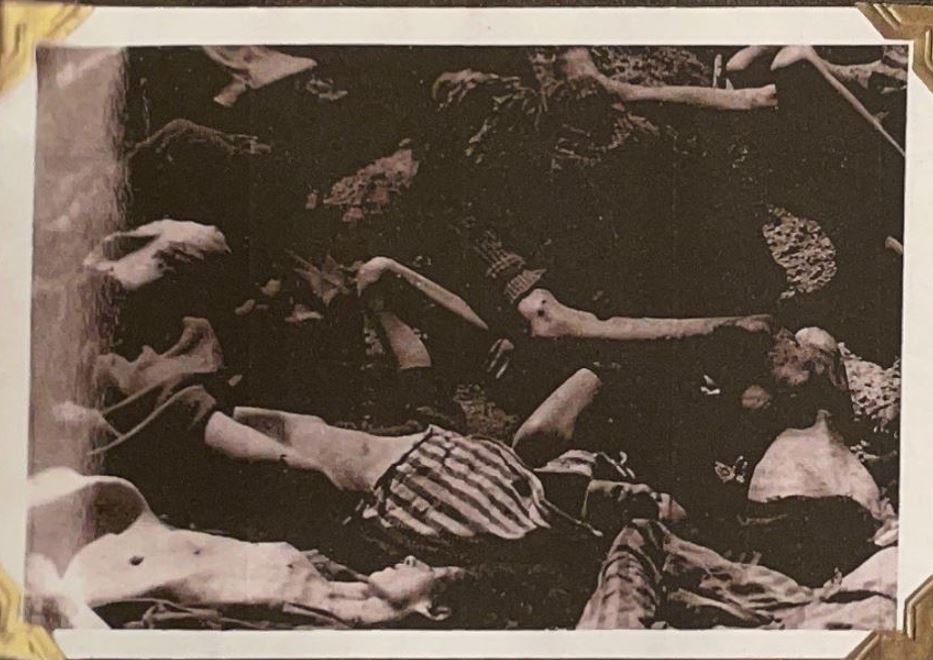
“These are disturbing. We were among the first to arrive at Bergen-Belsen Concentration Camp after it was liberated. I took these photos, but I don’t like looking at them much.” – Albert Allsop
Al’s concentration camp photos are disturbing. I remember experiencing sadness and barely controlled revulsion, as I sat looking at them in the living room of the man who took the photos.
Al didn’t share much about his concentration camp experiences. He showed me the photos, but he did not elaborate on what he had seen at the camp or how he felt about it. I tried to extract details from him a few times over the years. Each time, Al either remained silent, or changed the subject. He was obviously uncomfortable thinking about his time at Bergen-Belsen, 40 – 50 years after the war had ended.
Bear and I visited the Bergen-Belsen Memorial today. We tried to understand what her stepdad might have experienced walking into this death camp in 1945.

Before our visit, I read articles other soldiers in Al’s unit published and gleaned additional information from official army records. I overlayed that data with Al’s photos to gain perspective on the concentration camp experience. Unfortunately, I lack the literacy skills required to describe the depth of the horror Al and the other soldiers encountered here.
How could humanity come to this?
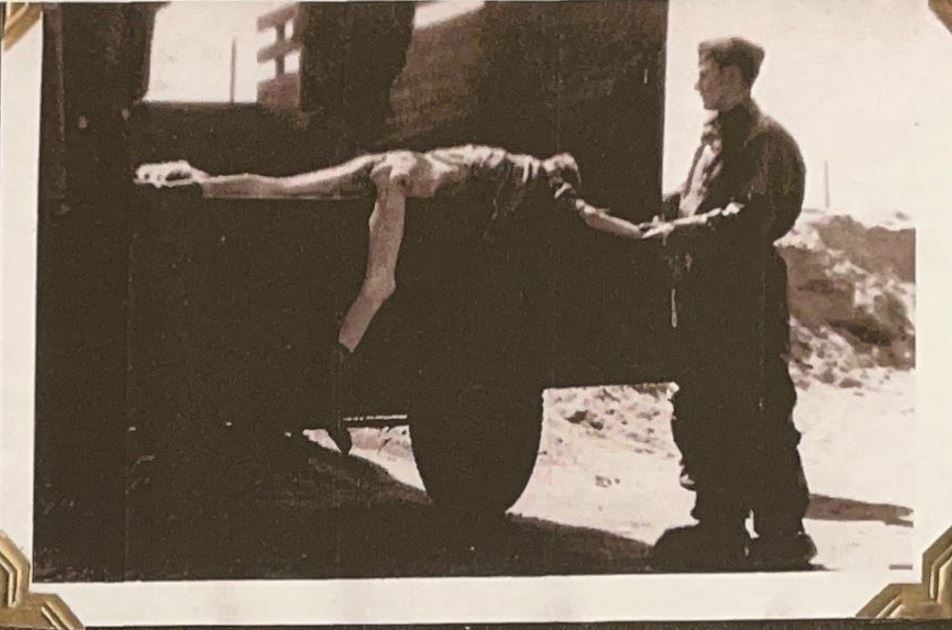
39 RECCE marched into Bergen-Belsen on April 26, 1945, just eleven days after British forces liberated it from German control. What they found there stretched even battle-hardened soldiers’ understanding of the capacity for human cruelty.
Al and the others remained at the concentration camp for several weeks, doing what they could to assist survivors and bury their dead.
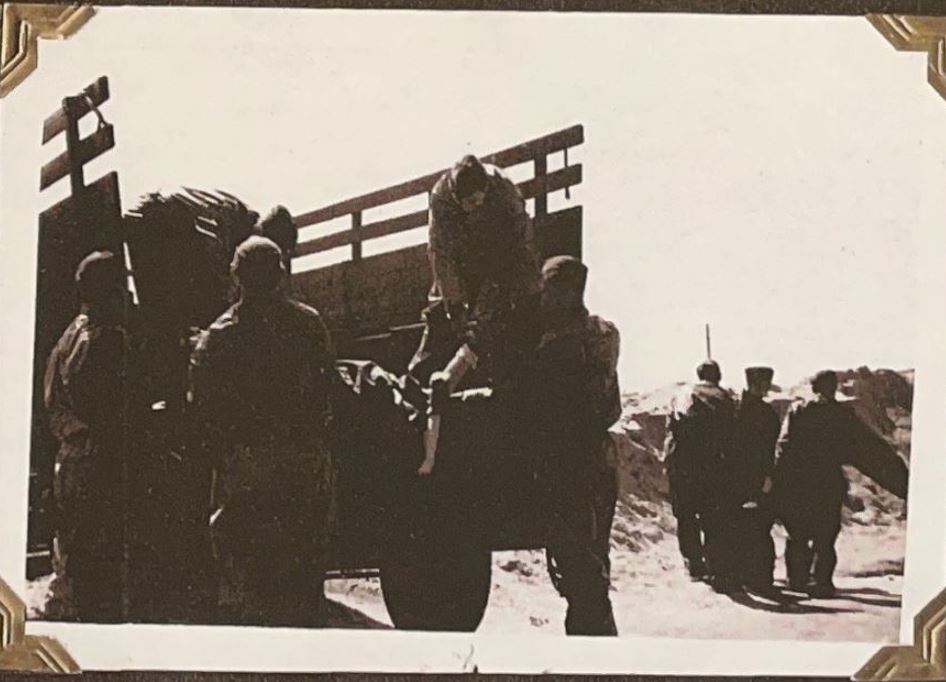
Al and his fellow soldiers distributed water and food to survivors and transported the dead to mass graves.
Bergen-Belsen was established as a Prisoner of War camp for captured Soviet soldiers but soon evolved into a concentration camp for Jews and other victims of the Nazi regime.
70,000 people died at Bergen-Belsen. POWs, Jews, Jehovah’s Witnesses, political opponents, Roma (Gypsies), Poles, Blacks, gay men, disabled individuals, and anyone deemed by the Nazi’s as a “criminal”; basically “anyone who disagreed with them”.
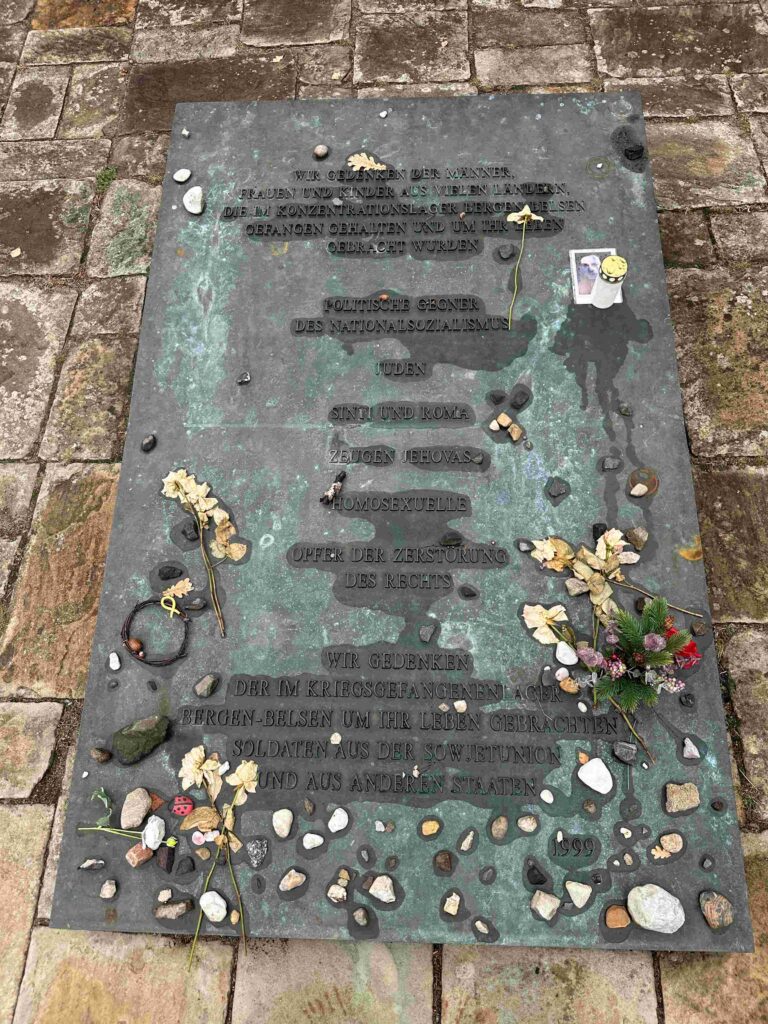
The first to die were approximately 20,000 Soviet POWs. They are buried in mass graves about a kilometer from the camp.

Persecuted detainees followed in such great numbers that the Bergen-Belsen killing machine could not keep up with their annihilation and disposal. As many as 35,000 detainees died before the Allies liberated the camp.
Thousands of bodies remained unburied or un-cremated, heaped in piles or shallow trenches (stock photo).

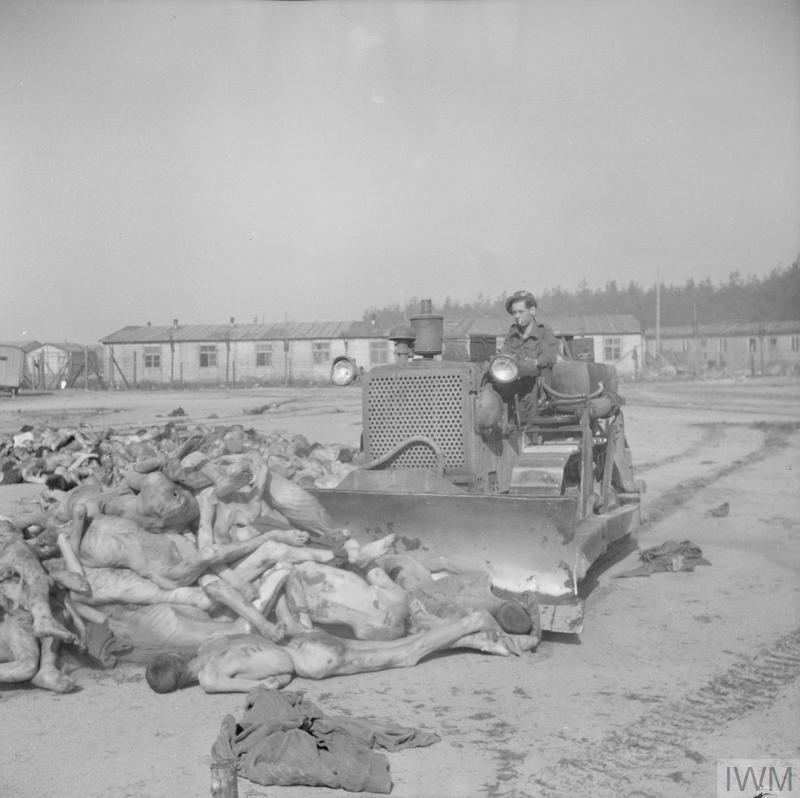
Many of the 60,000 still alive at the camp were in terribly poor health. An additional 13,000 died before they received adequate food and medical care from their liberators.
I honestly do not have words to describe the horror of Bergen-Belsen. I will close with one final anecdote that comes as close as I am able. I do not include this picture and attached narrative for dramatic effect. It happened, and the story needs to be told; for the woman and her baby, for Al and the soldiers who fought for them, and for all of humanity.
This photo, among all of Al’s war images, had the greatest impact on me. Al never said a word about it but while I was researching Albert’s WWII experience, I came across a testimonial of Marcel Auger, a soldier in Al’s unit. Auger told the story of a woman he had seen in a pit at Bergen-Belsen. Auger’s story and Al’s photo are almost certainly connected….
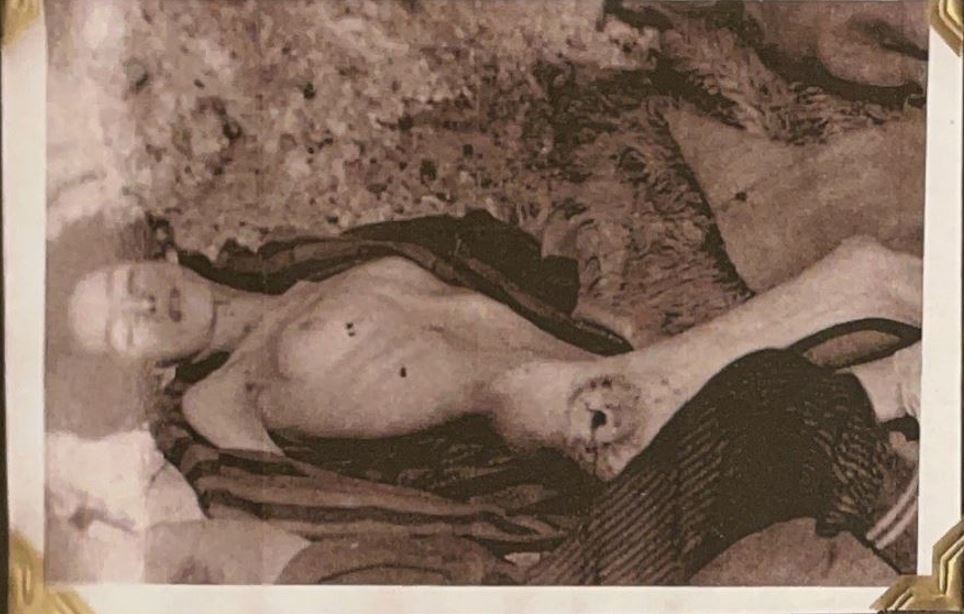
“They took all those poor people and put them in the pit. In one of the holes, you can see a woman. She had nice black hair and a hole in her thigh. One of the guards told me how she got that hole in her thigh. The woman gave birth to a child at the camp. She was breastfeeding when one morning, an SS guard quartered it before her very eyes. She went crazy. She tried to run away and escape, but she couldn’t get through the barbed wire. They shot her. You can see her body in the hole. It’s a horrible memory.” – Marcel Auger
World War II ended eighty years ago. Bergen-Belsen is now a reflective memorial in a peaceful nation, but mankind has not changed. We continue to have the capacity for profound evil, on the scale of WWII and the holocaust, or beyond.
We must be diligent, to resist and quell such evil before it takes root. Next time brutality on the scale of WWII happens, people like Bill Balmer, Ike Robertson, Marcel Auger and Albert Allsop may not be here to save us.
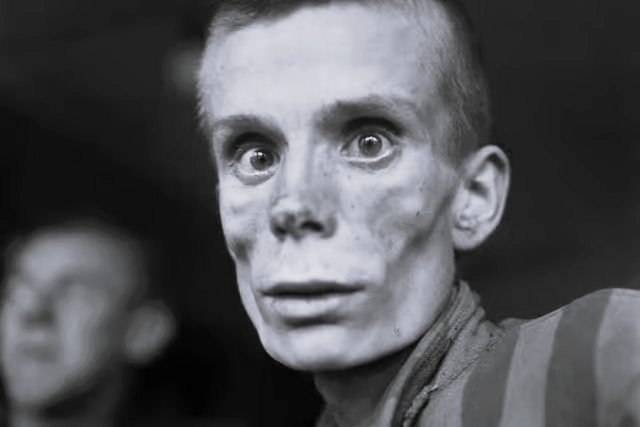
“I saw another man, I don’t know how old he was, but he seemed like an older man. He was sitting on a rock and was chewing on his wool blanket. He was chewing and looking at me like a wild animal ready to jump on its prey.“
“It’s an image I will never forget. Never, never, never.”
– Marcel Auger
This is the ninth in a series of posts following Albert Allsop’s trek through Europe in 1944-45. The series begins September 28, 2025.
Like and Subscribe…
To join the WellWaterBlog audience, scroll down and add your e-mail address to the growing list. You will receive a notice each time a new article is posted and nothing else – No Advertising, No Solicitations, No B.S., Just Fun.
GG
Very grim, thank you for posting. We need to be reminded. Sometimes I despair of our species.
Russ Paton
Eighty years of progress being reduced to rubble before our eyes..
Autumn Downey
Good for you to bring this back to our attention, Russ. Lest we forget, indeed!
Russ Paton
The forces of evil take little rest..