

1944-10-04 – Eindhoven, Netherlands
“39 RECCE would move locations frequently in order to be near the units that needed their support. Because of our proximity to the Front, 39 RECCE were the only Air Force Unit considered ‘Front-Line Troops’.” – Bill Balmer
Between July and October of 1944, Albert Allsop and 39th Reconnaissance Wing advanced with Allied forces north and eastward through France and Belgium. They reached Eindhoven, Netherlands on October 4th.
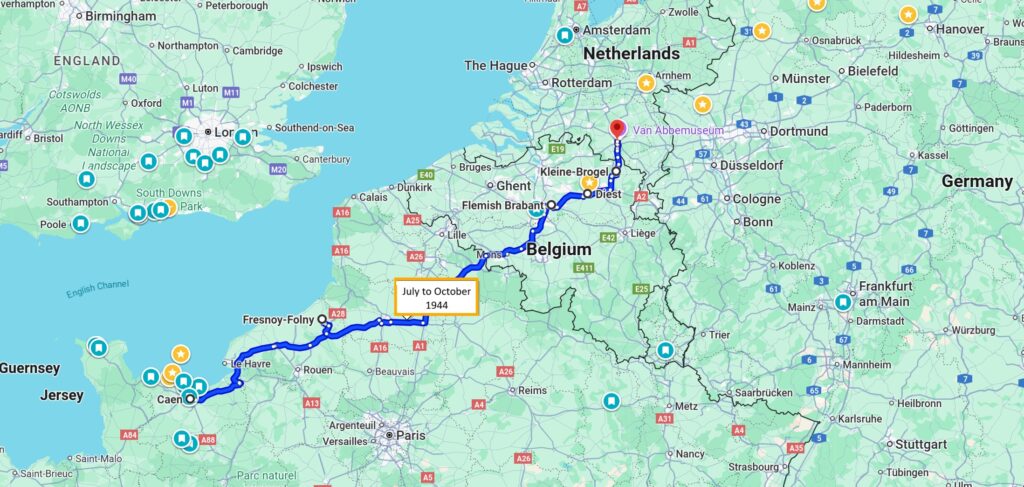
Nothing about the march through France and Belgium had been comfortable, but what they found in Holland tested even the toughest soldier’s resilience.
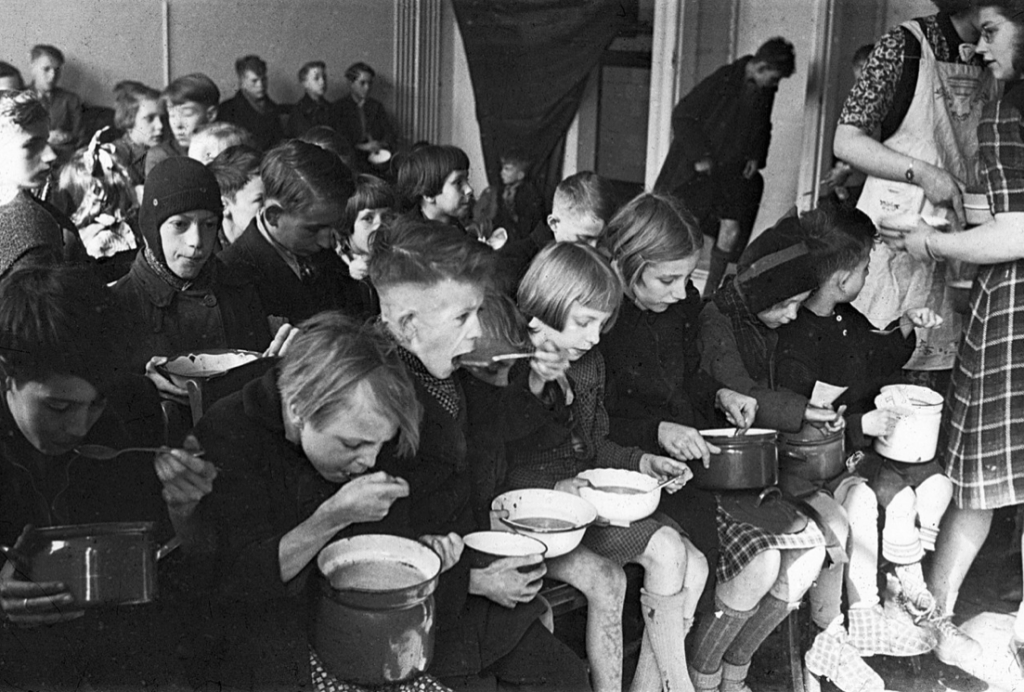
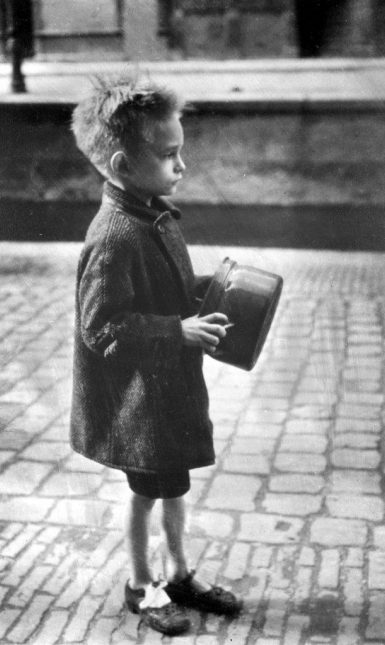
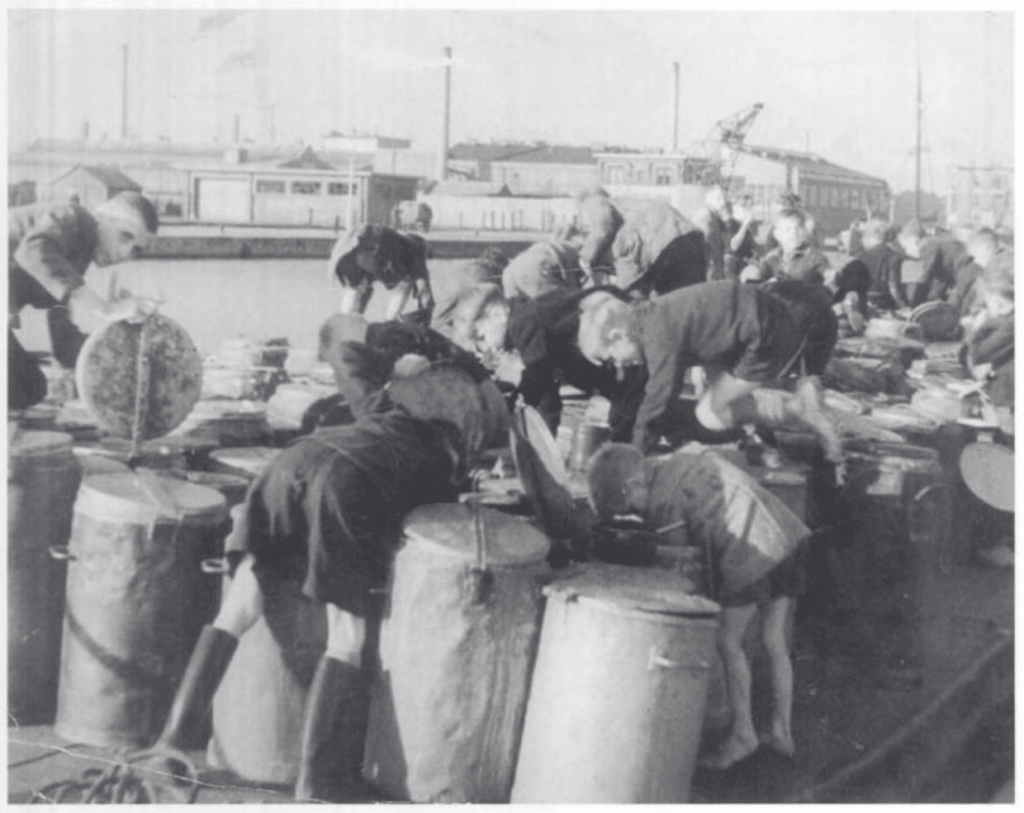
Albert never met my neighbour Ernie Verhulst, but they had similar experiences during the winter of 1944-45 …
Ernie was 14 years old, living near Eindhoven. He was too young to fight but old enough to remember the Hongerwinter. Over coffee, Ernie told me some of what he experienced that terrible winter of 1944-45 …
“We didn’t have so much as a shriveled potato to eat. My mother dug up tulip bulbs, and we ate those.”
Albert was never forced to eat flower bulbs, but food and supply shortages confined 39 RECCE to Eindhoven on the German border, for the winter. Unusually wet and cold weather exacerbated the discomfort.
“We sat in Holland most of the winter [1944-1945], not doing much of anything; frontline armour, but nothing happening. One of the problems was that the armies had made so much progress we went quickly through Belgium, Holland to the border of Germany. Supply was a problem, so we were held up. – Bill Balmer
According to Dutch historian Ingrid de Zwarte, food became so scarce in the western Netherlands that in February 1945 official rations in the area dropped to 340 kcal per person per day. With so little food available, some people resorted to eating pets, animal feed, and flower bulbs. Starving citizens made long trips to the agrarian northeast to buy food direct from farmers. The black market thrived. For example, the price of bread on the black market was 210 times the official price. The situation was so bad that 40,000 to 50,000 children were evacuated to the northeast. By the time the Netherlands were finally liberated in May 1945, around 20,000 people had died.
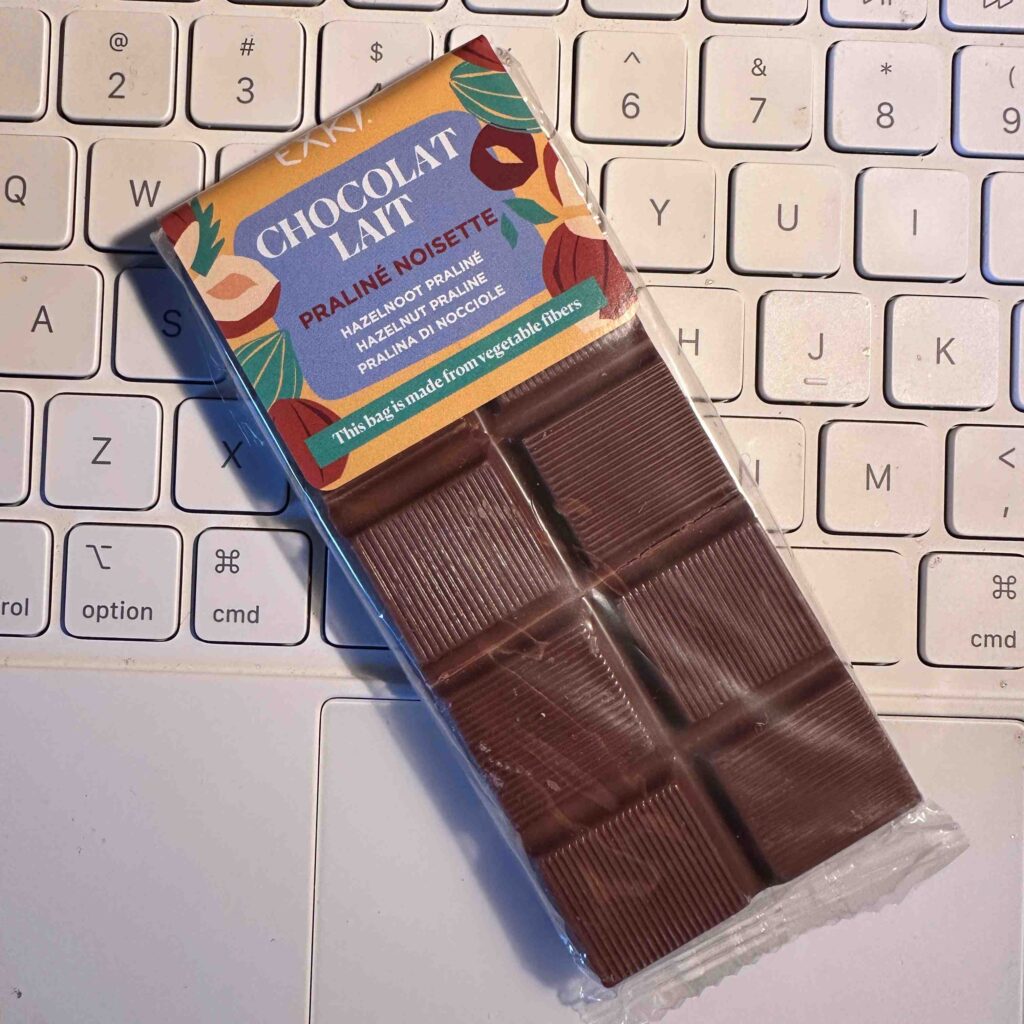
For perspective, this little Belgian chocolate bar I picked up at the train station in Brussels contains 310 calories, almost a full day’s ration during the Hongerwinter.
Al never reported going hungry, but he mentioned the poor quality of army food rations during the winter of 1944-45.
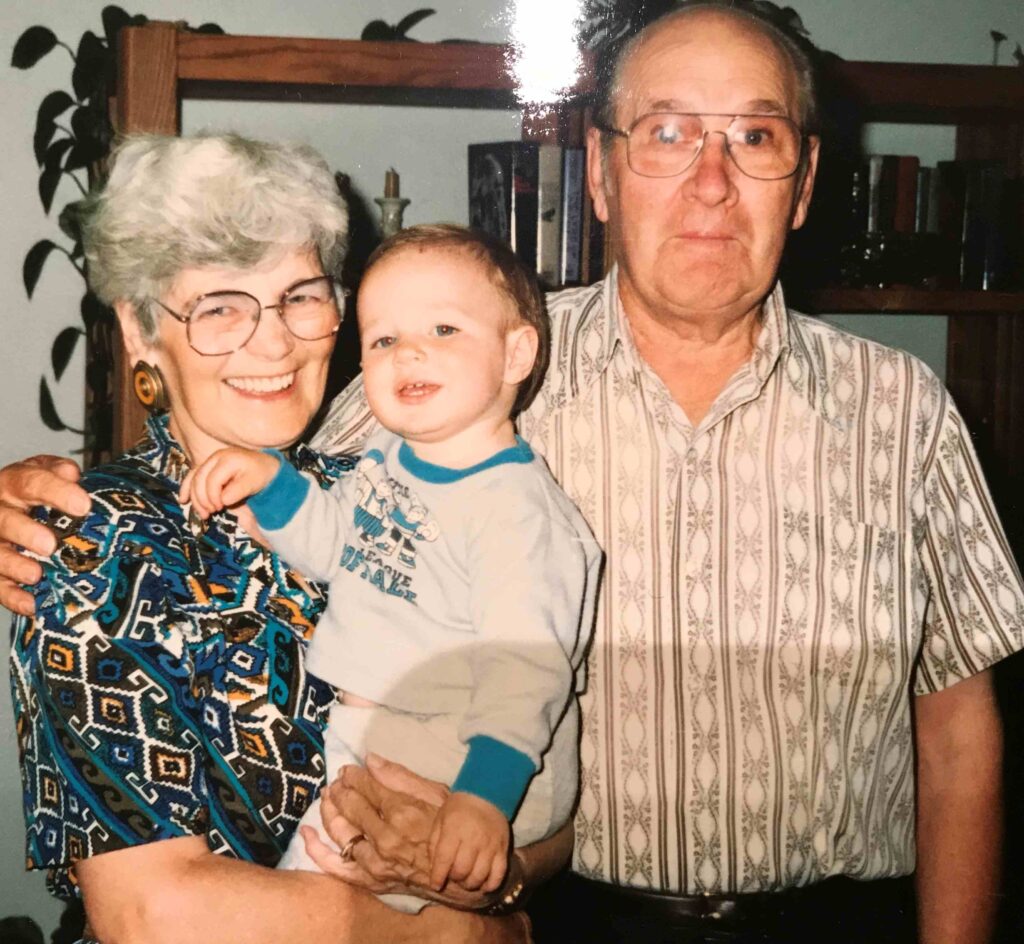
Albert and Freda stayed with us for a few days in 1990, to visit their grandson Marshall. We offered them a choice of white or whole wheat bread for breakfast toast. Al’s response was quick, and honest…
“I don’t eat black bread, had enough of that during the war.”
The Germans took advantage of Allied supply shortages, relentlessly attacking bases stalled along the border.
“That was at Eindhoven, Holland. Vic Seer and I were putting a prop on an aircraft; and I looked out and I counted seven Focke-Wulfs, German fighter planes, coming in right down on the deck. So they come in and they shot up the wing on the one there. – Ike Robertson
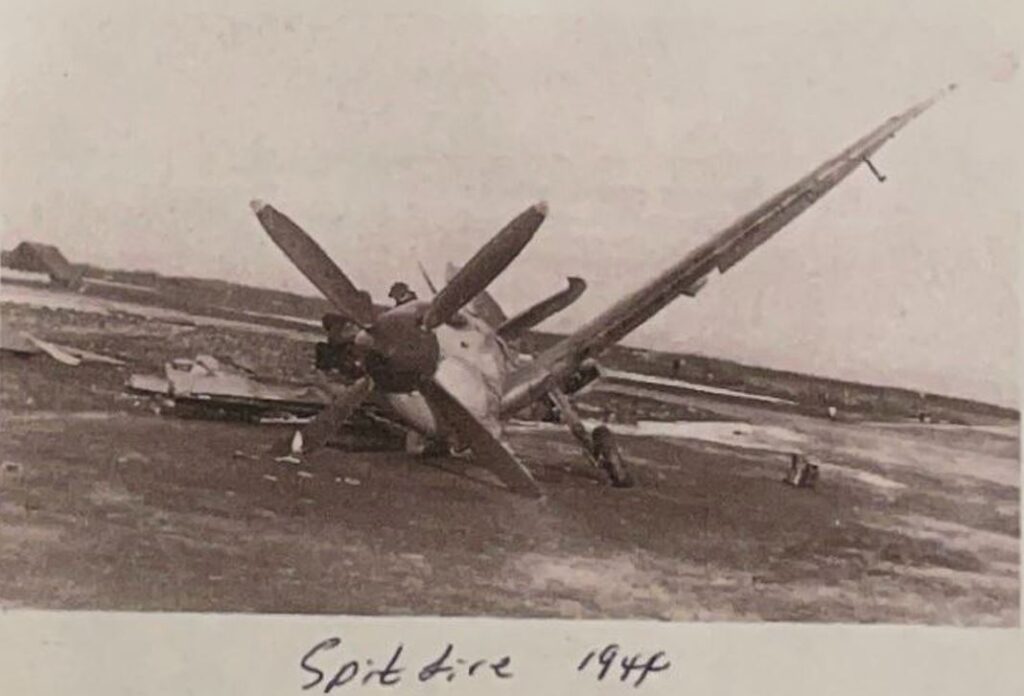
The Spitfire in this photo from Al’s WWII album, is likely the one Ike Robertson referred to in the quote above.
“I’d gone down and got behind the steel post of the hangar; and I reached out and got a piece of cement and put it up in front of my head. [laughs] And Vic run out around the corner and there was a dugout there; and he got down and there was six guys down in there in water up to their knees. And so as soon as they left, I watched the waves of aircraft, there was about 30 aircraft, and they come over in waves and they’d go up and they’d shoot back over the field. We lost 16 men that day. One chap had just come in from Canada the day before. After the raid was over, we said, oh, don’t worry, they won’t be back again until tomorrow. [laughs]” – Ike Robertson
Photo from Ike Robertson’s collection.

“Once, near Eindhoven, we were cut off for three days and they attacked us every day. You took your weapon with you everywhere then, even to the latrine. They would attack and you would just grab it and run to the slit trench”. – Bill Balmer
Albert didn’t use his tobacco ration during the war, he sometimes exchanged it for extra food items, which he shared with local kids.
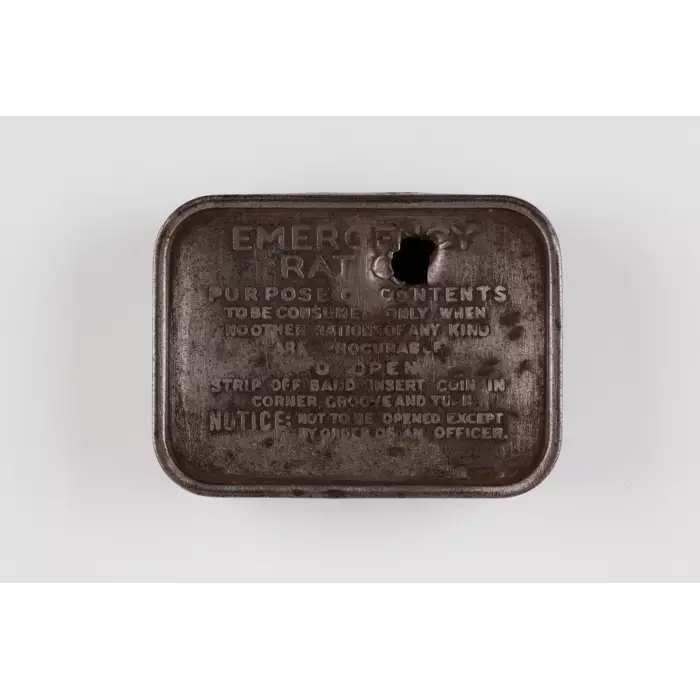
A dribble of emergency supply packages arrived from Canada late in 1944. The rations included a variety of tinned and packaged goods including bully beef, Spam, cheese, jam, and soup.
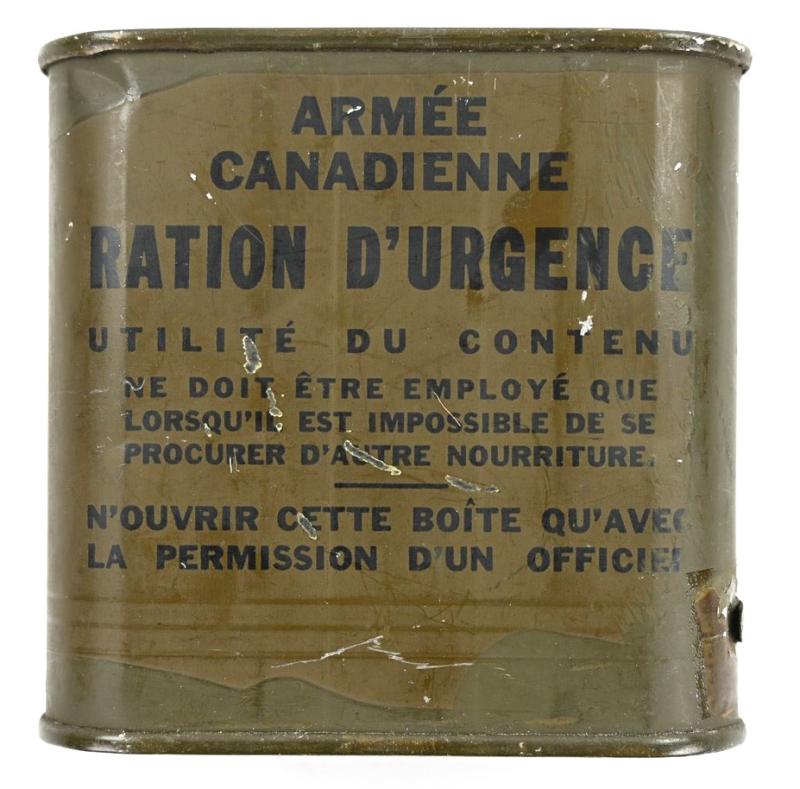
Canadian Soldiers often shared their ration packages with the Dutch people.
I wish I had a story to tell you about this ration tin. Unfortunately, I don’t know the circumstances of the bullet hole, or the fate of the soldier who the tin belonged to.
By spring of 1945 supply chain shortages had eased. Allied bombers were redeployed to drop aid packages to the starving people of Holland. My neighbour Ernie described the effect the bravery and generosity of Canadian soldiers had on him.
“We heard airplanes flying in and thought we were being bombed again, but they were dropping big boxes of food! We were so happy, we ran out in the fields not much caring if the packages landed on our heads. That was April of 1945. We never went hungry again.” – Ernie Verhulst
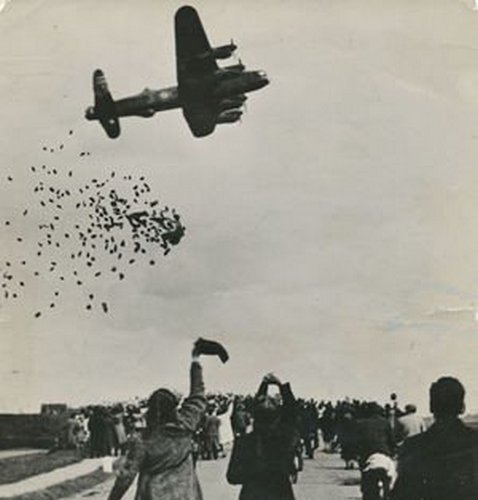
“The Canadians liberated us. I was so grateful I decided to move to Canada when the war was over.” – Ernie Verhulst
Bear and I spent two days near Eindhoven. We found a boutique hotel not far from the WWII airport where Albert was stationed during the winter of 1944/45.
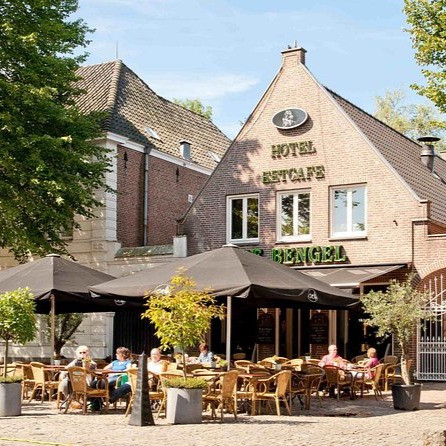
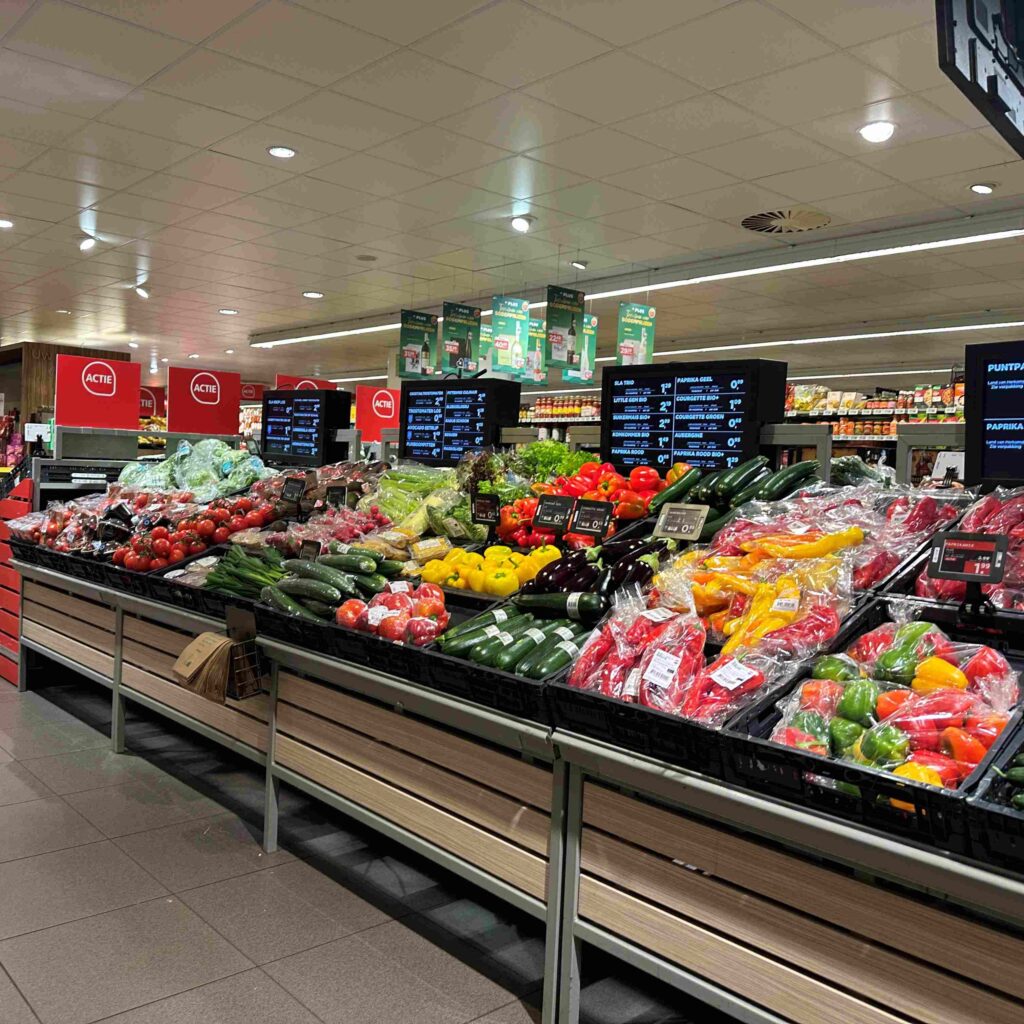
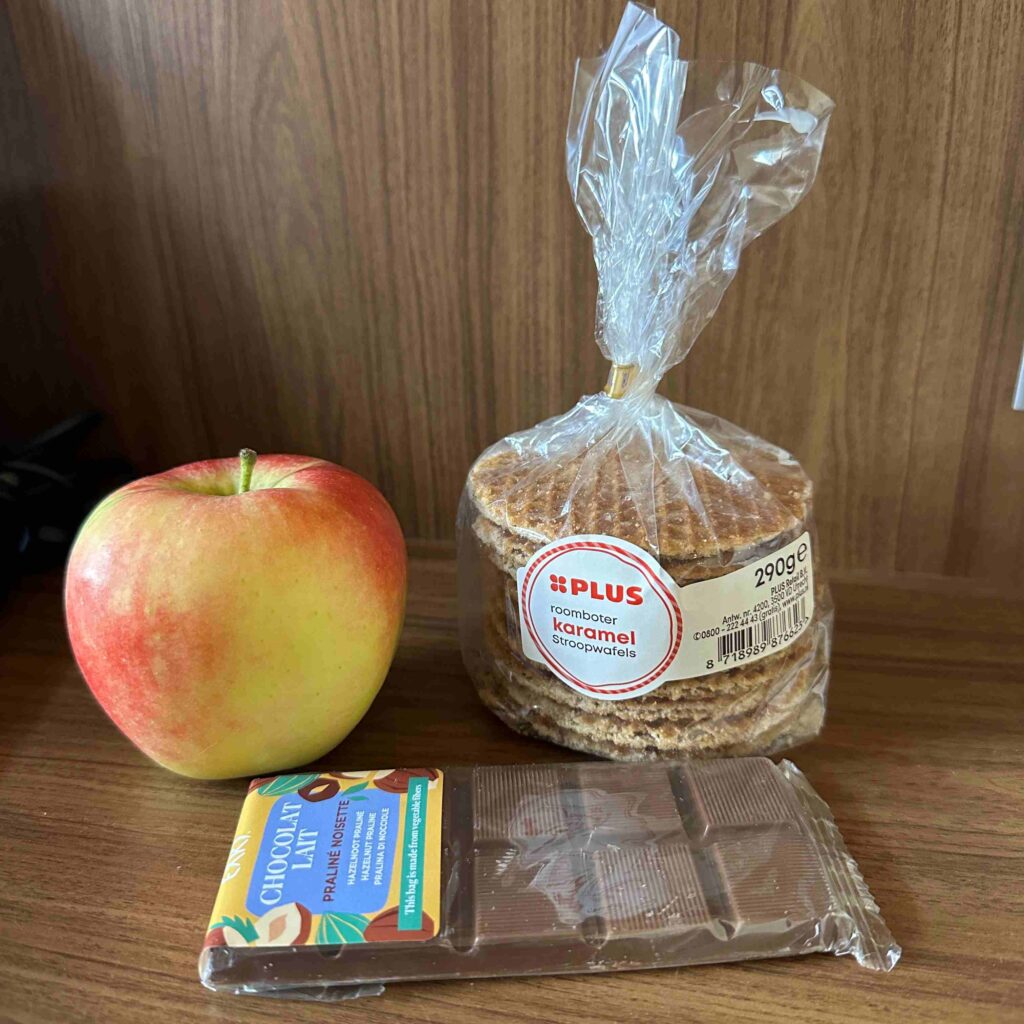
There are some fine restaurants in the vicinity, and a well-stocked grocery store. I picked up local apples, more chocolate, and a package of “roombotter caramel stroopwafels”, so we did not personally experience the effects of …
… Hongerwinter.
This is the seventh in a series of posts following Albert Allsop’s trek through Europe in 1944-45. The series begins September 28, 2025.
Like and Subscribe…
To join the WellWaterBlog audience, scroll down and add your e-mail address to the growing list. You will receive a notice each time a new article is posted and nothing else – No Advertising, No Solicitations, No B.S., Just Fun.
Leave a Reply